
How Counseling Can Help Heal Childhood Trauma in Teens: Effective Approaches to Recovery
Written by: Amanda Levison, M.S., LMHC, LPC, CCBT
Childhood is meant to be a time of growth, safety, and discovery. But for many teens, that sense of safety is disrupted early on by difficult experiences such as abuse, neglect, witnessing violence, or living in an unstable home. When these experiences happen over and over or without support, they can leave deep emotional scars. These wounds can affect how a teen sees themselves, how they relate to others, and how they handle everyday life.
The good news? Healing is possible. With the right support in therapy, teens can begin to understand their trauma, rebuild their confidence, and learn the emotional skills they need to feel better and move forward. Counseling is one of the most powerful ways to help guide this healing process.
In this post, we’ll look at:
What trauma can look like in teens
How trauma affects a teen’s developing brain
Why counseling is an important part of healing
Proven therapy methods that help teens with trauma
The role of a trauma-informed therapist
How caregivers can support their teen’s recovery

Understanding Childhood Trauma in Teens
What Is Childhood Trauma?
Childhood trauma refers to serious adverse experiences that overwhelm a young person's ability to cope. These can include:
Physical, emotional, or sexual abuse
Emotional neglect or abandonment
Witnessing domestic violence
Living with a caregiver with mental illness or substance abuse
Losing a parent through death, divorce, or incarceration
Bullying or community violence
Medical trauma or severe accidents
Natural disasters (earthquakes, hurricanes, floods)
While some teens may experience a single traumatic event, known as acute trauma, others may endure chronic trauma, known as complex trauma, which often has more long-lasting effects.
Complex trauma: occurs when a teen is exposed to trauma repeatedly or for a prolonged period of time.
Acute trauma: occurs when a teen is exposed to a single, distressing event with a set start and end time.
Common Signs of Trauma in Teens
Teenagers may not always talk openly about their trauma, but signs often show up in their behavior and emotions:
Mood swings, irritability, or withdrawal
Anxiety, depression, or panic attacks
Self-harming behaviors or suicidal thoughts
Sleep disturbances or nightmares
Substance use
Risky behaviors
Trust issues or relationship difficulties
Trouble focusing or academic decline
Avoidance of reminders or “numbing” feelings
Because adolescence is already a time of intense change, trauma symptoms can easily be misunderstood as “typical teenage behavior,” which is why trauma-informed assessment and intervention are crucial.
How Trauma Affects the Teen Brain
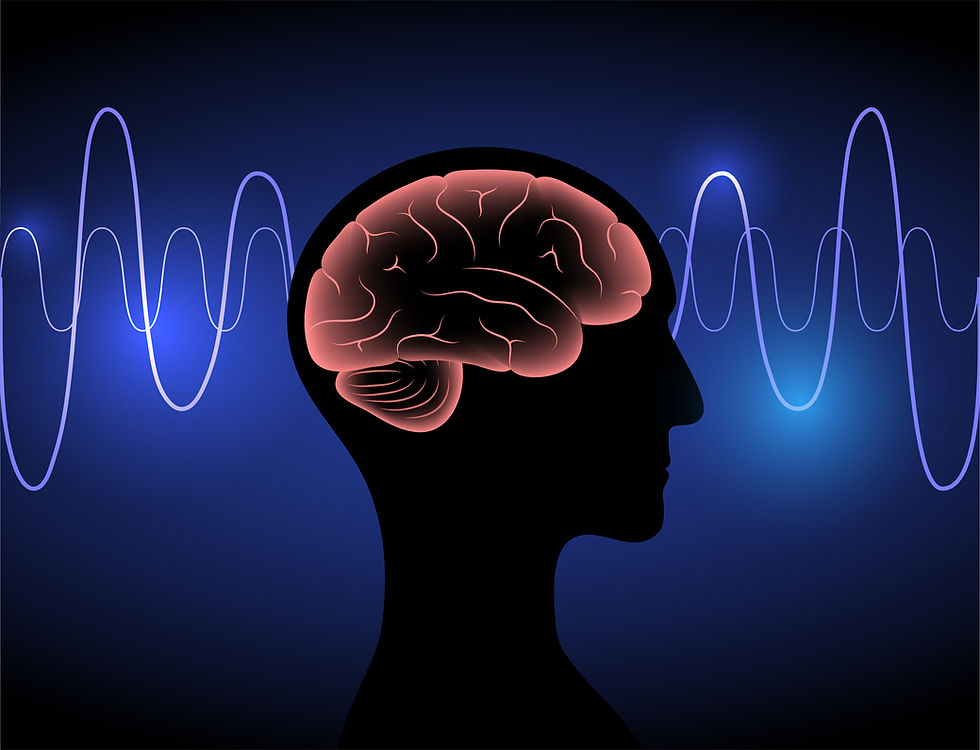
Trauma doesn’t just change how teens feel—it actually changes how their brains function.
The teenage brain is still under construction, particularly in areas related to emotion regulation, decision-making, and social processing. Trauma can disrupt this development by overstimulating the amygdala (the brain’s fear center), impairing the hippocampus (memory and learning), and limiting growth in the prefrontal cortex (logic and regulation).
This neurological impact can lead teens to stay in a constant state of hyperarousal, interpreting the world as dangerous and unpredictable—even when they are safe. Without proper intervention, these patterns can carry into adulthood, contributing to chronic mental health issues, such as post-traumatic stress disorder (PTSD), depression, anxiety, and substance abuse. This impact can also lead to difficulties in relationships, leading to decreased levels of trust.
Why Counseling Is Essential for Healing
Teenagers are remarkably resilient. With the right support, their brains and emotions can rewire and recover from trauma. That’s why teen therapy in Harrisburg is so valuable. It provides a safe, structured space where healing can truly take place.
Benefits of Counseling for Trauma Recovery
Validation and Understanding Teens often feel isolated, ashamed, or confused by their trauma. Therapy helps them feel seen, heard, and understood without judgment.
Emotion Regulation Many trauma-impacted teens struggle to manage overwhelming emotions. Counseling teaches coping skills and emotional literacy to help them self-regulate and recognize triggers.
Cognitive Processing Talking through traumatic memories allows teens to make sense of what happened, challenge distorted thoughts, and reduce the power of painful memories.
Rebuilding Trust and Safety Healthy relationships with a therapist (and eventually others) help restore a sense of safety and trust in human connection.
Empowerment By exploring strengths and practicing new behaviors, therapy helps teens reclaim a sense of control and agency in their lives. It also leads to increased levels of self-esteem and self-worth.
Effective Counseling Approaches for Teen Trauma
Different therapeutic approaches can be tailored to meet each teen’s unique needs. Some of the most effective evidence-based therapies include:
1. Trauma-Focused Cognitive Behavioral Therapy (TF-CBT)
TF-CBT is one of the most widely used and research-supported approaches for teens who have experienced trauma. It combines cognitive behavioral techniques with trauma-sensitive interventions to help teens:
Understand and reframe unhelpful thoughts
Learn relaxation and coping skills
Gradually process traumatic memories in a safe way
Improve communication with caregivers
Build self-esteem and reduce shame
Acknowledge trauma and its impacts
TF-CBT is typically structured and short-term (around 12–20 sessions), making it a good starting point for many families.
2. Eye Movement Desensitization and Reprocessing (EMDR)
EMDR is a structured therapy that helps the brain reprocess traumatic memories so they are no longer psychologically disturbing. It involves:
Briefly focusing on traumatic memories while simultaneously engaging in bilateral stimulation (like eye movements or tapping)
Reducing the emotional intensity of traumatic memories
Installing new, more adaptive beliefs
While originally developed for adults with PTSD, EMDR has been adapted for adolescents and shown strong outcomes, especially for single-incident trauma and complex trauma.
3. Somatic Experiencing and Body-Based Therapies
Trauma is not just “in the head”—it’s held in the body. Many teens experience physical symptoms of trauma: muscle tension, gut issues, headaches, or numbness.
Somatic therapies help teens reconnect with their bodies through:
Breathing exercises
Mindfulness and grounding
Movement or sensory-based interventions
Tracking physical sensations and releasing stored tension
This approach can be especially helpful for teens who struggle to verbalize their experiences.
4. Play and Art Therapy
For younger teens or those who are less verbal, play therapy and art therapy offer alternative ways to express trauma. These therapies use metaphor, creativity, and symbolism to:
Explore difficult emotions
Externalize and process traumatic memories
Build emotional regulation skills
Establish a safe and trusting relationship with the therapist
Play Therapy: Utilizes techniques such as games, toys, and dance to assist teens in processing trauma.
Art Therapy: Utilizes various media, including painting, drawing, and sculpting, as a safe space for teens to identify and express traumatic experiences.
Teens often feel more comfortable “showing” rather than “telling” their stories, making these methods both effective and accessible. These methods can be combined with other evidence-based therapies, such as TF-CBT and EMDR, to enhance the process.
5. Dialectical Behavior Therapy (DBT)
For teens who engage in self-harm, suicidal behavior, or emotional dysregulation due to trauma, DBT can be life-saving. DBT teaches:
Mindfulness and distress tolerance
Emotional regulation skills
Healthy communication and relationship skills
Skills to manage intense emotions without self-destructive behaviors
DBT is often delivered in both individual and group formats and involves strong caregiver involvement who receive guidance on how to best support.
Individual DBT Therapy: Focuses on teens' specific concerns and aims at developing personalized coping strategies to best aid.
Group DBT Therapy: Supports the teen through sharing experiences with others and practicing skills.
6. Neurofeedback
Neurofeedback is a natural and gentle way to help the brain work more efficiently, and it can improve a wide range of symptoms. The most common benefits include:
Better mood regulation
Improved sleep—both in quality and how long you sleep
Increased focus and concentration
A more positive and hopeful outlook
This type of treatment is non-invasive and enjoyable; many people even watch movies during their sessions.
The Role of a Trauma-Informed Therapist
Trauma recovery is not about “fixing” a teen or pushing them to talk before they’re ready. A trauma-informed therapist creates an environment of safety, collaboration, choice, and empowerment.
They understand:
The impact of trauma on behavior and development
That trauma responses are adaptive, not pathological
That trust and consistency are foundational for healing
How to pace therapy in a way that doesn’t re-traumatize
Finding the right support is crucial. Working with a therapist in Harrisburg, PA, who specializes in trauma and understands the unique needs of teens can make all the difference.
Certifications in TF-CBT, EMDR, or experience in trauma-informed care are strong indicators that a professional is prepared to guide the healing process with sensitivity and skill.
How Parents and Caregivers Can Support the Healing Process
While therapy is a key part of healing from trauma, parents and caregivers play a powerful role in a teen’s recovery. By providing a strong support system, your presence, care, and understanding create the safety your teen needs to grow and heal. Here’s how you can help:
1. Be Patient and Present
Healing from trauma doesn’t happen overnight. It’s a process, and it often includes steps forward and steps back. Your teen might have days where they seem better and others where they’re overwhelmed again. That’s normal. What matters most is that they know you’re by their side through it all, calm, steady, and supportive. Just showing up and being emotionally available, even in silence, can mean everything.
2. Create a Safe Environment
Teens recovering from trauma need to feel physically and emotionally safe. You can support this by creating predictable routines, setting gentle but clear boundaries, and maintaining a calm, stable home environment. Reducing chaos and unpredictability helps rebuild trust and gives your teen the sense of safety they may have lost during earlier experiences.
3. Listen Without Judgment
Your teen may not always want to talk, but when they do, it’s important to listen with empathy and without interrupting, correcting, or judging. Trauma can come with shame, confusion, and fear. Let your teen open up at their own pace. Avoid advising unless they ask, and focus more on validating their feelings—simple responses like “That sounds really hard” can go a long way.
4. Participate in Therapy When Invited
Many trauma-focused therapies, such as Trauma-Focused Cognitive Behavioral Therapy (TF-CBT) or Dialectical Behavior Therapy (DBT), include caregiver sessions as a check-in. These give you the tools to support your teen more effectively and may help you strengthen your relationship. When you're included, approach it with openness and a willingness to learn. It’s a team effort, and your involvement can help your teen feel less alone.
5. Take Care of Yourself
Supporting a teen through trauma recovery is emotionally demanding. You may feel worried, helpless, or even triggered by your teen’s pain, especially if you have your own unresolved trauma. It's okay to seek help for yourself. Talking to a therapist or joining a caregiver support group can give you space to process your own emotions and stay grounded, so you can show up for your teen in a healthy way.
Your role as a parent or caregiver matters more than you may realize. Just by offering consistency, compassion, and understanding, you’re helping your teen build the foundation for long-term healing and resilience. Remember, you don’t have to be perfect; you just have to be present.
Conclusion: Healing Is Possible
Teenagers who’ve experienced childhood trauma often carry heavy emotional burdens, but they are not broken. With compassionate, evidence-based counseling and the support of trusted adults, they can find their way to healing, resilience, and renewed hope for the future.
If your teen is struggling with trauma, know that compassionate support is within reach. Our trauma-informed counseling in Harrisburg, PA, is designed to provide teens and families with the tools they need for healing and growth.
We offer both in-person and virtual sessions, giving you flexible options to access care in the way that works best for your family. Contact us today to take the first step toward a stronger, healthier future for your teen.


Comments